

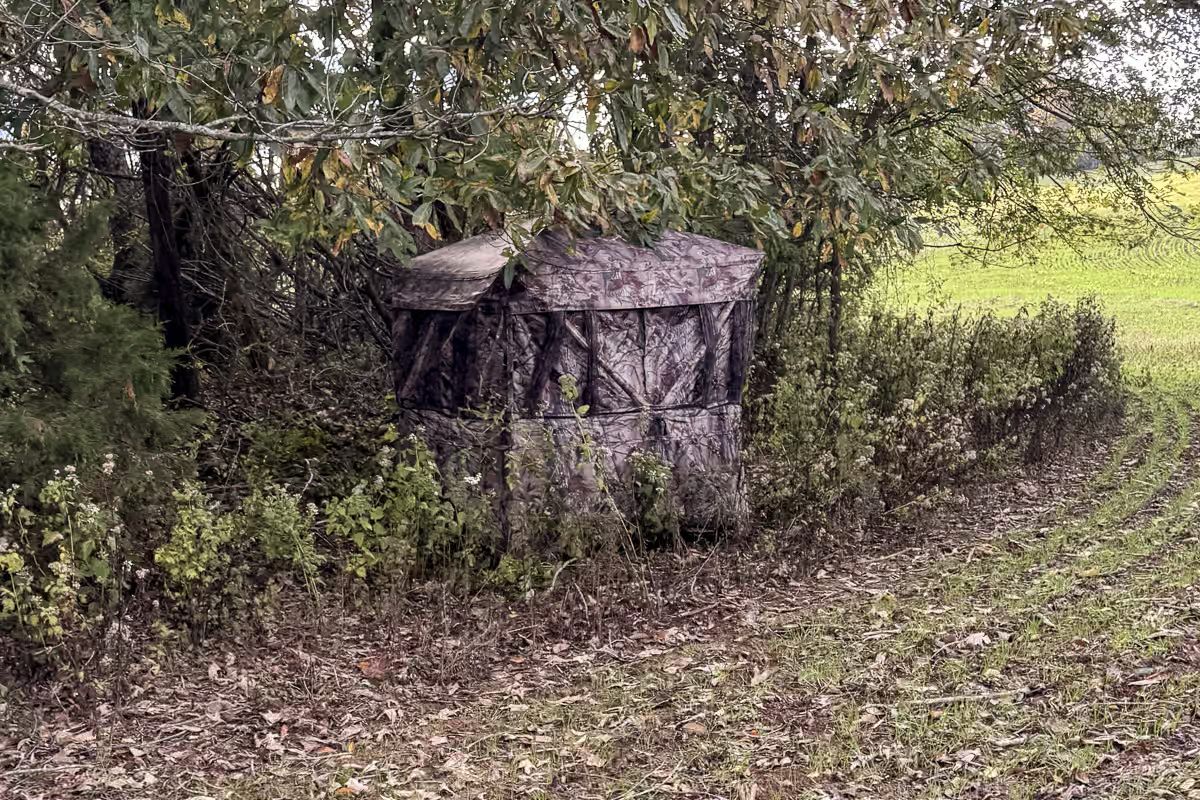
I stood there for what felt like 30 minutes trying to figure out how I would get a tree stand in the small cluster of trees. It was a week before Kentucky’s rifle season opened and I was in the process of getting a spot set up to take my nephew opening weekend. I knew where we needed to be but their just wasn’t a tree suited for getting two people into.
Honestly, I’d rather be in a tree whitetail hunting but not every spot has one. Some field edges and fence rows don’t hold a tree big enough to get a tree stand in, and those are the places I’ve come to appreciate a ground blind.
If you’ve got a spot like that on your hunting property, a blind will get you in there. Not to mention they are a great option when you have a second hunter with you like a youth. The following are my top 3 tips I’d share with someone new to deer hunting from a ground blind
Location and Setup
Location, location, location. I cannot stress that enough. Where you put the blind matters more than the other tips in this article combined. I used to tell people to have their scouting and spot picked out before the season but one thing experience has taught me is that’s not always the best option. Deer patterns change for a variety of reasons and the most successful hunters I know can adapt to them.
Whether you end up hunting a spot you scouted during the pre season or fresh sign you found last week, your blind location should be where you can get in and out without the deer knowing they’re being hunted. A blind in a great spot doesn’t do you much good if you bump deer every time you enter and exit a spot.
A ground blind that’s just been setup is a new object to whitetails and they will notice it. When possible, have the blind setup at least a week before you plan to hunt it so the deer have an opportunity to get accustom to it.
I look for flat ground with terrain or brush behind it for back cover and brush it in with whatever is currently growing right there. Bigger limbs or brush first to build the base, followed by smaller brush. You don’t have to go crazy when brushing in your ground blind. The main thing is to break up the outline and help it blend into the surrounding cover.
Play the Wind and the Sun
The importance of playing the wind cannot be overstated. A whitetail’s nose is his best line of defense against predators, so I want the blind downwind of where I expect the deer to be coming from and where I expect them to end up.
I also check the forecast wind the night before every hunt. A brushed in blind isn’t going anywhere, so if the wind is wrong for it that day, I hunt somewhere else.
The sun gets less attention, and it will burn you too. Don’t set a blind where the sun rises or sets straight in front of the windows you plan to shoot out of. For starters it makes it damn near impossible to see at primetime and could cause objects like your optics to glare inside the blind.
Inside the Blind
Once the blind is in the right spot, the rest comes down to staying hidden and staying comfortable enough to sit still.
I wear black on my upper half. The inside of a blind is black, so black is what blends in. I dress in layers too, since the temperature at daylight and the temperature at noon are rarely the same.
My gear goes where it doesn’t block a window or a shooting lane, and where I can get to it without making noise. That includes my pack.
The chair matters more than you’d think. Mine adjusts for height, so I can see and shoot out the window sitting down. It swivels without making a sound, and it has enough cushion that I can stay put longer without squirming.
Wrapping Up
I ended up running back to the house and grabbing my Double Bull ground blind for that spot. A week later, my nephew and I were sitting in it when he harvested his biggest buck to date.
Personally, I’m still going to climb a tree when I can but maybe I’m just stubborn. A ground blind lets you hunt spots a stand can’t, and it keeps you out of the elements when the weather turns nasty.